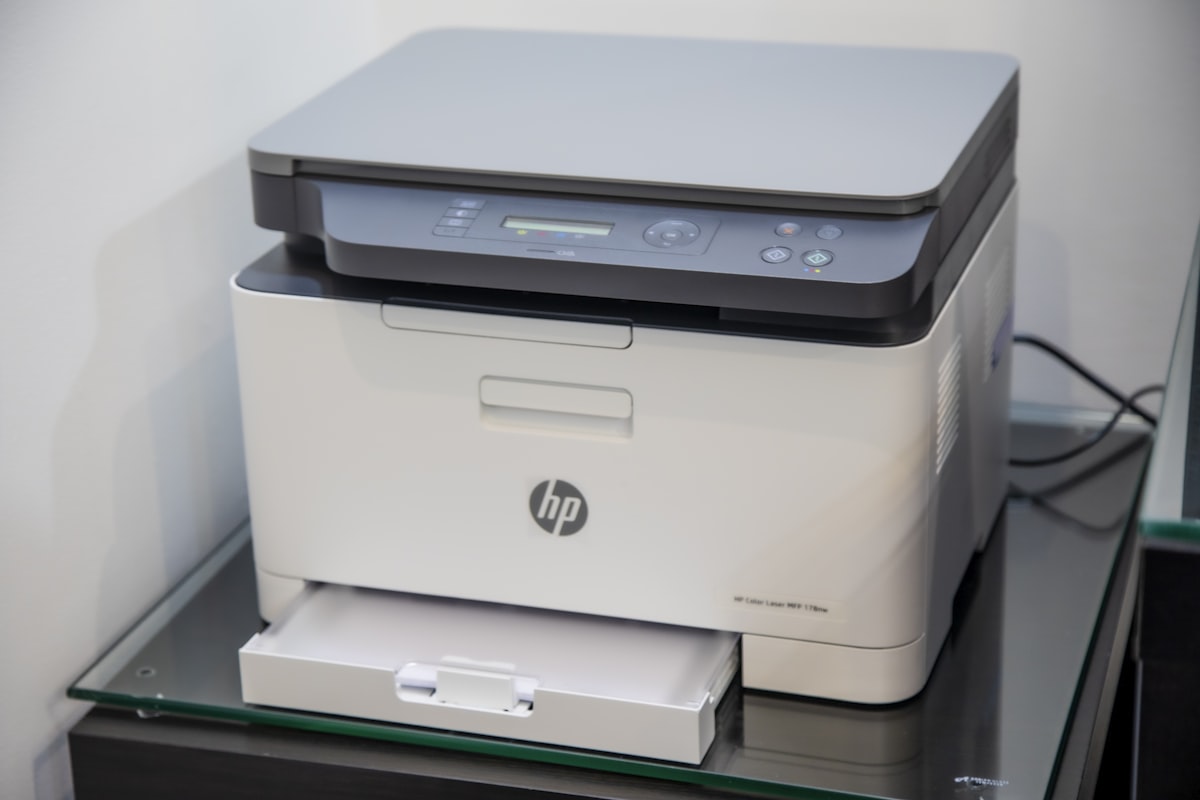
Three months into your copier lease, the monthly cost is already higher than what your dealer quoted, the service response time is measured in days instead of hours, and you just discovered an auto-renewal clause that locks you in for an extra two years unless you send cancellation notice by a deadline you have already missed.
Bad copier leases share common warning signs. If you recognize even two or three of these in your current agreement, you are likely paying more than you should be, and you have options for improving your situation.
8 Warning Signs of a Bad Copier Lease
1. No service level agreement (SLA) with specific response times
A good lease or service contract specifies that the dealer will respond to service requests within 4 hours and resolve issues within 8 hours during business days. If your agreement says “reasonable” or “timely” without defining those terms, the dealer has no enforceable obligation to show up quickly.
2. Annual price escalation clause
Some leases include automatic annual increases of 3% to 8% on the base lease payment, service rates, or both. A $350/month lease with a 5% escalation becomes $467/month by year five. If you did not know this clause existed when you signed, it is a red flag.
3. Personal guarantee requirement
Many copier leases require the business owner to personally guarantee the lease obligation. This means if the business closes or cannot pay, the owner is personally liable for all remaining payments. Established businesses with good credit should negotiate to remove the personal guarantee.
4. Unreasonably low page allowance
Some dealers quote an attractive monthly rate with a page allowance far below your actual usage, knowing that overage charges will inflate your real cost. If your allowance is set at 5,000 pages but you consistently print 8,000, you are paying significant overages every month.
5. No mid-term upgrade option
Technology changes. Business needs change. A good lease includes a provision for upgrading equipment mid-term under defined conditions. If your lease locks you into the same machine for 60 months with no upgrade path, you are stuck with aging technology.
6. Vague end-of-lease terms
If your lease does not clearly spell out what happens when the term ends, including buyout pricing, return procedures, and renewal terms, the leasing company has maximum flexibility and you have minimum leverage at the end of the term.
7. Auto-renewal with a narrow cancellation window
A 90-day or 120-day notice requirement for cancellation, combined with a 12 to 24 month auto-renewal period, is designed to catch businesses who forget to send timely notice. This is the single most profitable clause in the lease for the leasing company.
8. The dealer and leasing company are separate entities but the dealer controls communication
Some dealers discourage you from contacting the leasing company directly. If your dealer insists on being the middleman for all lease-related questions, they may be controlling information flow to protect their commission structure.
What to Do If You Are in a Bad Lease
Step 1: Read your entire lease agreement. Know exactly what you signed. Identify every clause that concerns you and note the page and section numbers.
Step 2: Document your actual costs. Compare what you were quoted during the sales process against what you are actually paying, including overages, escalation increases, and service fees.
Step 3: Get competing quotes. Contact two or three other copier dealers and get lease quotes for comparable equipment. This gives you a benchmark and potential exit options through a lease absorption deal.
Step 4: Negotiate from documentation. Present your dealer with the evidence of cost overruns and request a contract adjustment. Many dealers will renegotiate terms rather than lose a customer to a competitor, especially if you have documented service failures.
What Most Guides Miss: The Dealer Incentive Calendar
Copier dealers and manufacturers run on quarterly and annual sales targets. The last two weeks of each quarter (especially Q4, ending in December) are when dealers have the most incentive to renegotiate existing contracts to prevent customer churn from being reported. If you are going to push for better terms on an existing lease, timing your negotiation to coincide with quarter-end gives you natural leverage. Read more at our guide for businesses stuck in bad leases and learn how to improve your position with our copier lease negotiation strategies.
Prevention: What to Insist on Before Signing Your Next Lease
The best protection against a bad copier lease is knowing what a good one looks like. Before signing any new agreement, insist on these provisions: a service level agreement with specific 4-hour response time commitments, removal or modification of the auto-renewal clause, a cap on annual escalation (zero is best, but 3% maximum is acceptable), a clearly defined FMV buyout formula or $1 buyout option, and written confirmation of all fees including delivery, installation, and end-of-lease charges.
Get every verbal promise in writing. If the sales rep says “we always respond within 4 hours,” say “great, put it in the contract.” If they will not put it in writing, the promise means nothing.
Related Guides
- GSA Copier Lease Contract: A Practical Guide to Schedule 36 in 2026
- PEPPM Copier Lease Contract: A 2026 Guide for Schools and Public Buyers
- State Contract Copier Lease: How to Get Pre Negotiated Pricing in 2026
Ready to Compare Copier Lease Quotes?
Ready to compare copier lease quotes from verified dealers in your area? CopierFinder connects you with pre-vetted local providers so you can compare real pricing, not ballpark estimates. No obligation. No sales pressure. Just honest numbers so you can make the right call for your business.