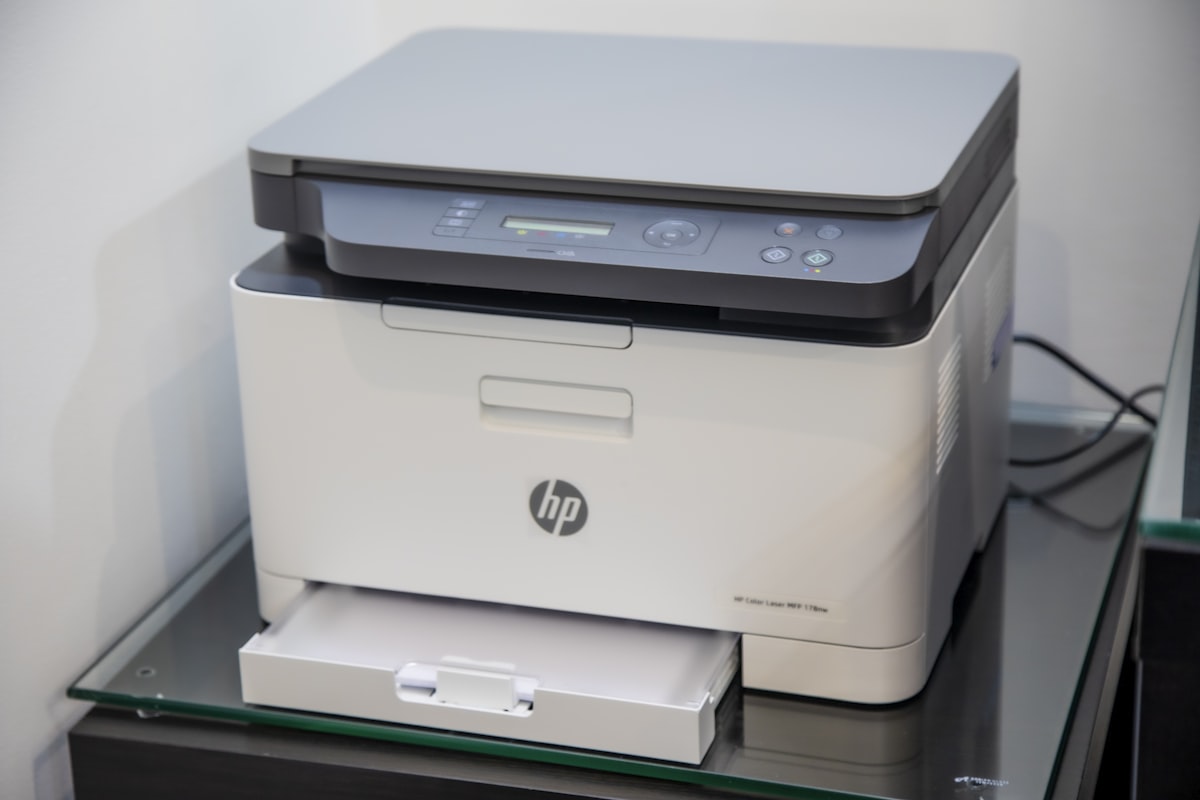
You work for the county and need new copiers across five departments. The clerk's office wants color. The sheriff's records room wants high volume scanning. Public works just wants something that does not jam every Tuesday. Now you have to figure out how to get all of this on contract without sitting through six months of bids. Here is how county buyers actually get copiers leased fast, at fair pricing, and inside procurement rules.
Why a Standard Lease Will Not Work
A private business can sign a copier lease in 20 minutes. A county cannot. Your purchasing rules likely require either a competitive bid, a piggyback on a state or national contract, or a sole source justification. The dealer next door who quoted your friend's law firm at $189 a month cannot just sell you the same deal. They have to either be on an approved contract or win a bid.
That is why most counties end up paying 15 to 30 percent more than a small business buyer. The premium pays for the dealer's cost of bidding, compliance, and the slower payment cycle. Your job is to cut that premium down while staying inside procurement rules.
The Three Paths to a County Copier Lease
Path one is open bid. You write a request for proposal, post it, score the responses, and award the contract. This works but takes 90 to 180 days. Most counties only use this for replacing the full fleet at once.
Path two is piggyback. You ride on a contract already awarded by another government body. NASPO ValuePoint, Sourcewell, OMNIA Partners, TIPS, and state contracts in Texas, Florida, California, and New York all let counties buy off them. You skip the bid and get the awarded pricing in days, not months.
Path three is sole source. You justify why only one vendor can meet your need. This is rare for copiers since the major brands all do the same thing. Save sole source for very specific needs like a legacy system integration.
What Counties Should Actually Pay
Real numbers from county awards we have seen across the country. Workgroup color MFP, 35 pages per minute, with stapling and hole punch: $145 to $215 a month on a 60 month lease through a piggyback contract. Include service, parts, and toner at $0.008 black and $0.06 color per click.
Department workhorse, 55 to 65 pages per minute, color, with booklet maker: $245 to $375 a month. Click rates $0.006 black and $0.045 color.
High volume production unit, 75 to 90 pages per minute, color, with finisher: $450 to $850 a month. Click rates drop to $0.0045 black and $0.038 color due to volume.
Anything more than $500 a month for a midrange unit on a county contract is a sign the dealer is loading margin. Push back.
How to Use the Piggyback Path Right
Start with Sourcewell. They have national copier contracts with all the major brands and most counties already have a member account. Member numbers are free for public agencies. Pull the awarded pricing sheet from the Sourcewell portal and use it as your floor.
Then check your state contract. Most states have a master copier contract. The pricing is often very close to Sourcewell, but the state contract may include local service guarantees that Sourcewell does not.
Get two dealers to quote the same exact configuration off the same contract vehicle. Even off a fixed contract, dealers can sharpen pencils on the service component or add a one time install credit. Take the better offer.
What Most Guides Miss
Most county procurement guides treat the copier lease as a single line item. They miss the fact that you can split the deal across two contract vehicles to save money. Lease the hardware off Sourcewell at fixed national pricing. Then put the service and supplies contract out for a local bid with a one year base and four one year renewals. Local dealers often beat the national contract on service rates by 10 to 20 percent because they want the recurring revenue. You stay compliant on the hardware purchase and save real money on the recurring side.
The other thing most guides miss is the end of fiscal year window. Dealers who hit their fiscal year quota by September often push hard for one more county deal in August. They will drop the lease rate by 10 percent to close before quota close. Time your award to that window if you can.
Avoiding the Real Pitfalls
Watch the auto renewal clause. Many copier lease contracts auto renew for 12 months if you do not send written notice 90 days before the lease ends. For a county that may have staff turnover in the clerk's office, this is the number one source of unwanted lease costs. Get the auto renewal stripped at signing or set a calendar reminder the day the lease starts.
Read the relocation clause. Counties sometimes move offices when buildings get remodeled. A relocation fee of $400 to $1,200 per machine is common. Get one free relocation per machine written into the contract.
Check the buyout language. At lease end, you should be able to return the machine, renew month to month, or buy out. Make sure all three options are spelled out before you sign.
Related Guides
- Government Copier Lease Pricing: GSA Rates and What Agencies Pay in 2026
- Copier Lease for Government Agencies: A 2026 Buyer's Playbook
- Federal Government Copier Lease: GSA Schedule 36 Buying Guide for 2026
- Government Approved Copier Lease Program: A Buyer's Guide for 2026
- Government Budget Cycle Copier Lease: How to Time the Buy for Best Pricing
Ready to Compare Copier Lease Quotes?
Ready to compare copier lease quotes from verified dealers in your area? CopierFinder connects you with pre-vetted local providers so you can compare real pricing, not ballpark estimates. No obligation. No sales pressure. Just honest numbers so you can make the right call for your business.
Related reading: How Much Does It Cost to Lease a Copier in 2026 and Copier Lease vs. Buy in 2026.