You need a copier, and you are staring at two paths: write a check and own it, or lease it and pay monthly. Both can be the right answer depending on your cash, your taxes, and how long you plan to keep the machine. Here is the real 2026 math so you can decide without a sales pitch.
The upfront cost difference
A capable office color copier costs roughly $3,000 to $12,000 to buy outright, depending on speed and volume. Buying means that cash leaves your account today. Leasing spreads the same machine across 36 to 60 monthly payments, typically $95 to $450 a month, so you keep your cash and pay as you use it.
The catch with leasing is interest. A lease bakes in a finance charge, so over a full 60 month term you usually pay 15 to 30 percent more than the cash price. Buying avoids that markup entirely. If cash is not tight, buying is cheaper in raw dollars. Compare the numbers against the average price of a copier to see where your quote lands.
Where leasing wins
Leasing wins when cash flow matters more than total cost, which for most small businesses it does. Keeping $8,000 in your account instead of sinking it into a depreciating machine has real value, especially if that cash can fund inventory, payroll, or growth. Leasing also bundles service and supplies into a predictable monthly bill and lets you upgrade to newer technology at the end of the term instead of being stuck with an aging machine.
For a business that wants current equipment, predictable costs, and cash preserved for higher return uses, leasing is usually the smarter play even though it costs a bit more over time.
Where buying wins
Buying wins when you have the cash to spare and you plan to keep the copier a long time. A well maintained office copier can run 7 to 10 years. If you buy a machine and keep it eight years, you avoid all the lease interest and the years of payments after a lease would have ended. For a stable office with steady, moderate volume and no need for the latest features, owning outright is the cheapest path over the long haul.
Just remember that when you own, you also own the repair bills and the supply ordering. There is no bundled service contract unless you buy one separately. Weigh that against the convenience of a lease. If you are torn, our full copier lease vs buy breakdown walks through more scenarios.
The 2026 tax angle
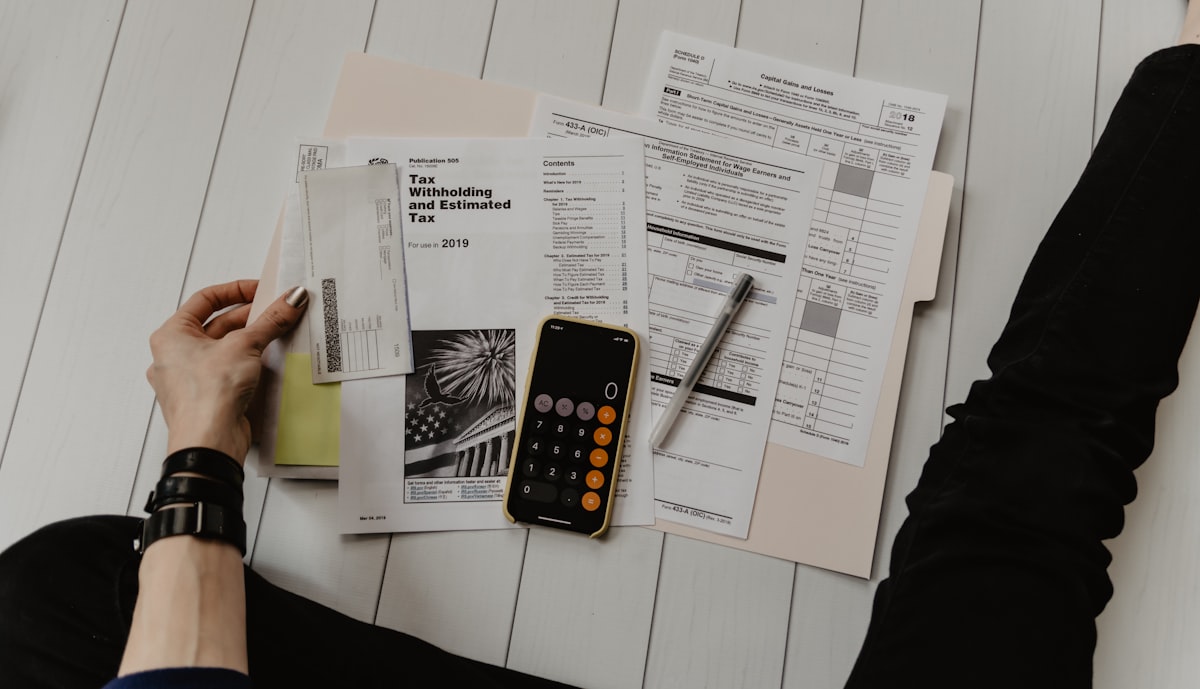
Taxes can tip the decision. Under Section 179, a business can often deduct the full purchase price of qualifying equipment in the year it is bought, up to generous limits, which makes buying attractive if you have taxable income to shelter this year. Leasing, on the other hand, generally lets you deduct each monthly payment as a business expense as you pay it. Neither is automatically better, it depends on your tax situation and cash position. Confirm the current year limits and how they apply with your accountant before you decide, because tax rules shift and this is not tax advice.
What most guides miss
Most lease versus buy comparisons treat it as a pure math problem. It is not. The hidden variable is technology risk. Copiers are getting more software driven every year, with security features, cloud integration, and workflow tools that matter more in 2026 than they did five years ago. Buy a copier and keep it eight years and you may be running outdated security and missing features your business comes to need.
Leasing quietly hedges that risk. At the end of a 48 or 60 month term you can move to current technology without a new capital outlay. For a business in a fast moving field, that flexibility can be worth more than the interest you pay. The right answer is not always the cheapest one on the spreadsheet.
A quick way to decide
If you want a fast gut check, answer three questions. First, is cash tight or better used elsewhere in the business right now? If yes, lean lease. Second, how long will you realistically keep this exact machine? If the honest answer is more than six or seven years and your volume is stable, lean buy. Third, do you value staying on current copier technology and predictable bundled service bills, or would you rather own an asset and handle service yourself? The first points to leasing, the second to buying.
Most small businesses end up leasing, and it is usually the right call, because preserving cash and keeping predictable costs matters more to a growing company than squeezing out the last few percent of savings. But a stable, well capitalized office with steady volume genuinely can save money buying and holding a machine for the long haul. There is no universal winner here, only the answer that fits your cash position, your time horizon, and your tolerance for handling your own repairs. Run your real numbers and let them decide.
The bottom line
Buy if you have spare cash, plan to keep the machine many years, and want the lowest total cost. Lease if you would rather preserve cash, keep predictable bundled bills, and stay on current technology. Run your own numbers on price, interest, and taxes, and pick the path that fits how your business actually runs.
Ready to Compare Copier Lease Quotes?
Ready to compare copier lease quotes from verified dealers in your area? CopierFinder connects you with pre-vetted local providers so you can compare real pricing, not ballpark estimates. No obligation. No sales pressure. Just honest numbers so you can make the right call for your business.