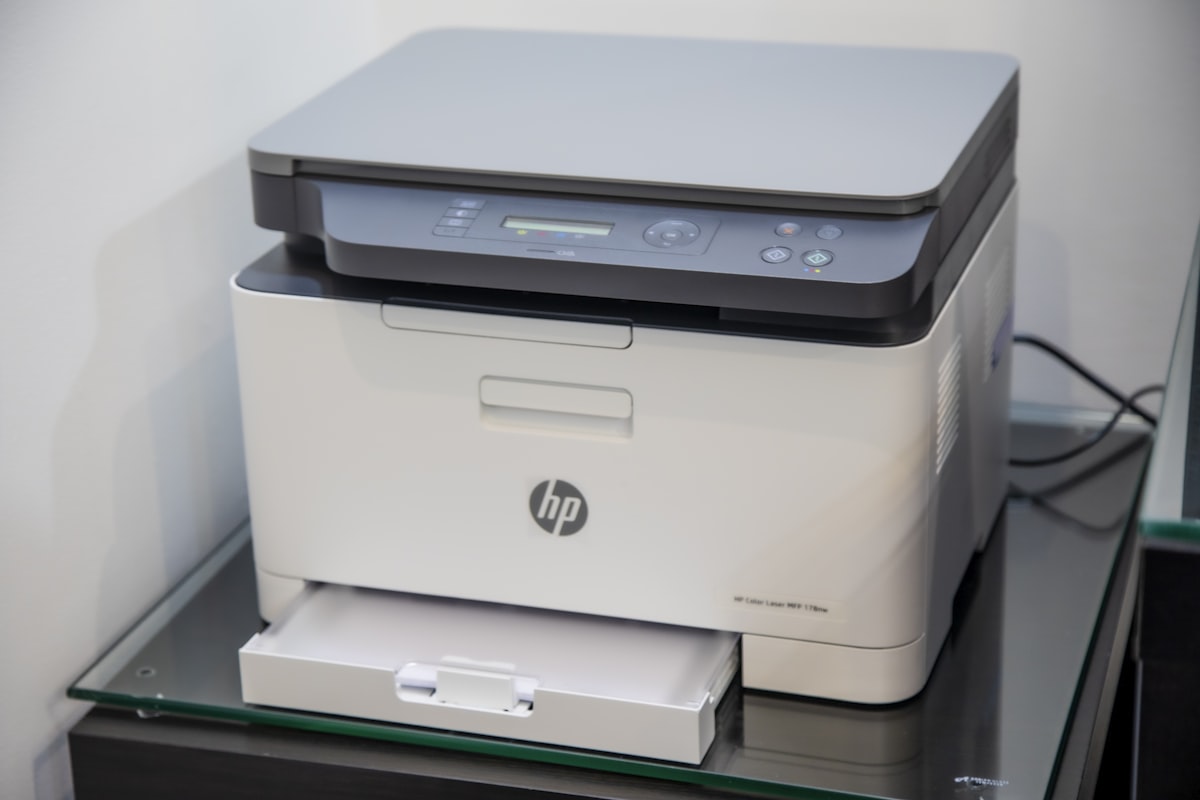
Every state procurement office runs its own playbook. The general idea is the same. Use a pre approved contract. Pick an authorized dealer. Match the lease structure to your accounting rules. Document everything. Get it wrong and your lease gets kicked back to RFP or flagged in the next audit. Get it right and you can clear procurement in two to four weeks instead of four months.
The Three Things Procurement Checks
Every procurement review looks at three things. Is the dealer on a pre approved contract? Is the lease structure approved for your agency? Is the dollar value inside your authorized budget line? If all three answers are yes, the lease usually clears fast. If any one is no, expect a rework cycle that adds two to eight weeks.
Pre Approved Contract Vehicles
Most states accept several contract vehicles. The state's own master copier contract. NASPO ValuePoint. GSA Schedule 36 under the Cooperative Purchasing Program. Sourcewell. OMNIA Partners. TIPS USA. PEPPM for education. Check your state procurement rules to see which vehicles your agency can use. Some states accept all. Others limit specific cooperatives to specific agency types.
Lease Structures That Clear Procurement
Three lease structures usually clear procurement cleanly. Operating leases, fair market value leases, and $1 buyout capital leases. Operating and FMV are treated as expenses and fit the annual operating budget. Capital leases hit the balance sheet and may need separate capital improvement approval. For most everyday office copier needs, operating leases are the safest path.
Real Pricing Under State Procurement
Pricing under state contracts is usually 10 to 22 percent below open market rates. Black and white workgroup multifunctions lease for $79 to $145 per month over 60 months. Midrange color multifunctions run $195 to $339. Production color systems hit $475 to $815 per month. Click charges sit at $0.007 to $0.0095 for black and $0.055 to $0.075 for color. Toner, parts, labor, install, and basic training are included.
What Most Guides Miss
Here is the insight nobody publishes. Procurement officers are not adversaries. They are the people who get blamed when something goes wrong. Bring them in early. Send the draft RFQ, the contract reference number, and the lease structure for review before you finalize anything. Most procurement officers will mark up the draft and tell you exactly what needs to change. This saves weeks compared to submitting a finished package and waiting for kickback. Also, most state contracts cover accessories like finishers, document feeders, software, and training at the same contract pricing. Pull the full pricing schedule and ask for contract pricing on every line item.
Documentation Procurement Wants to See
Have these documents ready before submitting the lease for review. The contract PDF or pricing schedule. The dealer authorization confirmation. The RFQ sent to dealers. The quotes received. The comparison sheet. The award justification. The draft lease agreement. The service level agreement. This packet shows the procurement officer that you followed the rules.
Service Level Agreements
State procurement usually requires written SLAs in copier leases. Look for four hour onsite response on emergencies, 95 to 98 percent uptime, loaner units for outages, and dollar credits for missed targets. An SLA without consequences is a marketing flyer. Get the dollar values written in.
Budget Cycle Alignment
Most state fiscal years run July to June. A few run October to September. Start your lease at the top of the cycle when possible. If you have to start mid year, ask for a deferred first payment so the first invoice lands in the next cycle. Build your budget request from the lease monthly times 12, plus a click charge estimate based on prior year volume, plus a 5 to 8 percent buffer.
End of Lease Planning
At lease end your options are return, buy at fair market value, renew month to month, or sign a new lease on a refreshed model. Notice windows are usually 60 to 120 days. Miss the notice and the lease often auto renews for 12 months at the same rate. Calendar the notice the day you sign. Set reminders at 180, 120, and 60 days out.
Common Procurement Pitfalls
Four pitfalls show up over and over. Signing without referencing the contract number. Accepting click rates above the contract ceiling. Skipping the SLA with dollar penalties. And rolling an old lease buyout into the new lease without showing the math. Avoid all four by pulling the contract PDF first, matching every line to the schedule, requiring the SLA with consequences, and showing the buyout math on paper.
When the State Contract Is Between Bid Cycles
Sometimes the state master contract expires before the new one is awarded. During the gap, use a national cooperative like Sourcewell or NASPO ValuePoint. Both are widely accepted as compliant substitutes when the state contract is unavailable. Document the gap in your procurement file.
Where to Save the Most
The biggest savings come from three moves. Picking the right cooperative or state contract for your spec. Negotiating below the contract ceiling on multi unit deals. And capturing contract pricing on accessories, not just the base machine.
For more on lease math, see our complete copier lease pricing guide. For the lease vs buy decision, see our 2026 breakdown.
Ready to Compare Copier Lease Quotes?
Ready to compare copier lease quotes from verified dealers in your area? CopierFinder connects you with pre-vetted local providers so you can compare real pricing, not ballpark estimates. No obligation. No sales pressure. Just honest numbers so you can make the right call for your business.