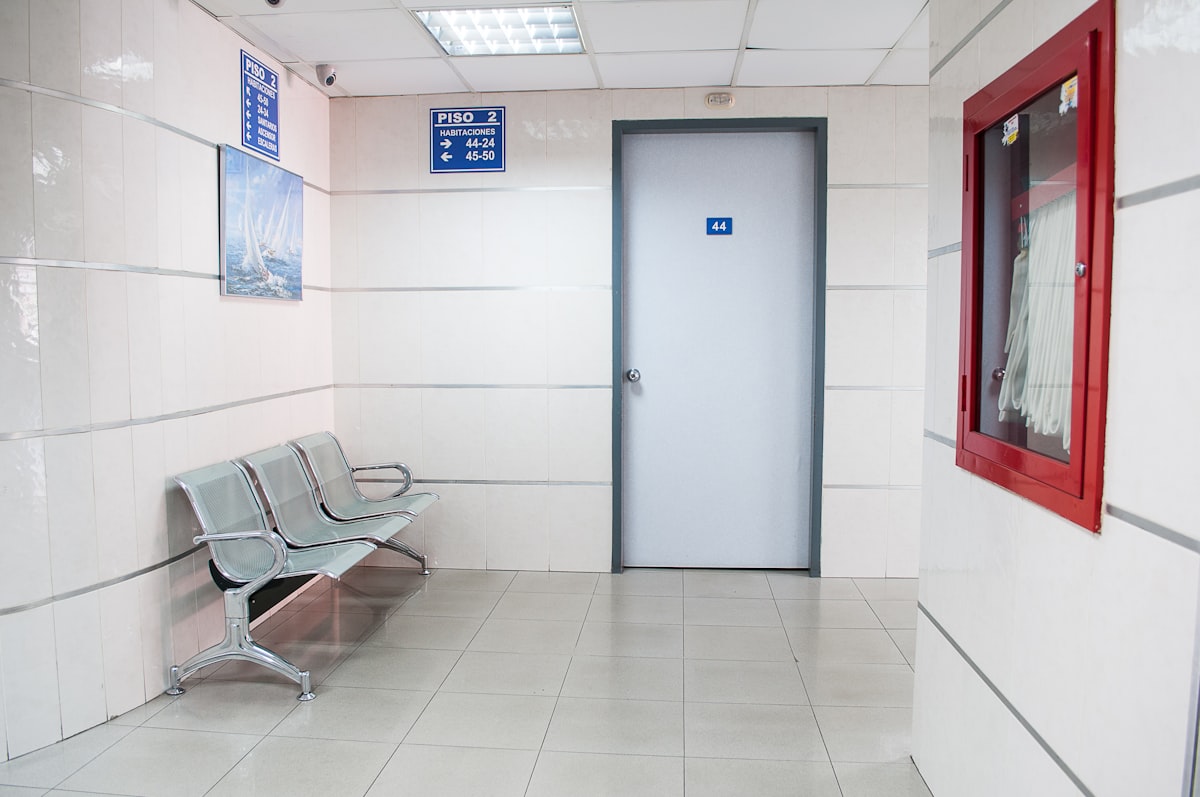
An urgent care clinic lives and dies on speed, and the copier is part of that. Patients fill out intake forms at the door, staff print discharge instructions and work notes, insurance gets verified on the spot, and referrals go out to specialists, all while the waiting room fills up. A copier that jams or runs out of paper during a Saturday afternoon rush slows down patient flow and costs you turnover. Leasing for an urgent care center is about uptime and paper handling more than anything else.
Volume runs high and comes in waves
A single urgent care location commonly prints 6,000 to 15,000 pages a month, and it does not come evenly. Volume spikes during flu season, weekends, and evening hours when other clinics are closed. That pattern means you need a machine that can handle bursts without slowing down, so plan for a mid to high volume multifunction copier at 45 to 60 pages per minute, generally $220 to $450 a month on a 36 to 60 month term. Large paper drawers matter here, because a 500 sheet tray empties fast during a rush and nobody has time to reload every twenty minutes.
Uptime is the whole game
In an urgent care setting a dead copier is not a minor inconvenience, it stops discharge and slows the room. That makes the service agreement more important than the machine itself. Look for a lease that bundles a service agreement with a guaranteed response time, ideally four hour on site or next business day at worst, plus a loaner if a repair runs long. Ask what the actual local technician coverage is, not the brochure promise. A slightly higher monthly payment with real four hour service beats a cheap lease with a two day wait every single time in a clinic.
HIPAA, security, and the machine that never sleeps
Urgent care copiers scan and print protected health information constantly, and many clinics run long hours or multiple shifts. That means the hard drive fills with patient data, and secure print release keeps discharge paperwork and lab results from sitting in the output tray in a shared space. Your lease should require a hard drive wipe or removal at return with a certificate of data destruction. This is the same compliance concern that hits any medical office copier lease, but the round the clock use of an urgent care makes it more pressing to handle.
Credit and approval for a newer clinic
Many urgent care centers are newer businesses or part of a growing group, and leasing companies price risk into the deal. A clinic with under two years of history may face a higher payment or a personal guarantee request. Before you sign, understand how copier lease approval works so you can shop the financing, not just the machine. Getting two or three quotes on the same equipment can swing the monthly payment by $80 to $150 for identical hardware.
Multiple locations and after hours coverage
Urgent care groups often run several sites, and that should change how you buy. Instead of leasing a copier per clinic at retail rates, negotiate a fleet deal across locations to standardize machines and click rates, which usually shaves 10 to 20 percent off per site pricing and gives you one bill and one service contact. It also means a technician who knows your exact model at every site, which speeds up repairs. After hours coverage is the other piece most clinics forget. Urgent cares stay open when other offices are closed, so ask what the service window actually is. If your busiest hours are evenings and weekends but the dealer only covers weekday business hours, a Saturday jam leaves you stuck until Monday. Confirm in writing whether weekend and evening service is available and what it costs. For a clinic that earns most of its revenue outside 9 to 5, paying a little more for extended service coverage is not a luxury, it is protection for your busiest and most profitable hours.
What most guides miss
Everyone focuses on speed and price, but the thing that quietly hurts an urgent care is single point of failure. When one machine handles intake, discharge, faxing, and insurance, a jam at 6 p.m. on a Friday shuts down the front of the clinic. The fix is not a bigger, faster copier. It is redundancy sized to your risk. A main high volume multifunction machine plus a modest second printer on the same agreement means one jam never stops patient flow. The second device costs far less than the revenue you lose from a backed up waiting room during your busiest hours. Reps rarely suggest this because one big machine is the simpler sale, but for a clinic where throughput is the business model, two devices is the smarter lease.
Ready to Compare Copier Lease Quotes?
Ready to compare copier lease quotes from verified dealers in your area? CopierFinder connects you with pre-vetted local providers so you can compare real pricing, not ballpark estimates. No obligation. No sales pressure. Just honest numbers so you can make the right call for your business.