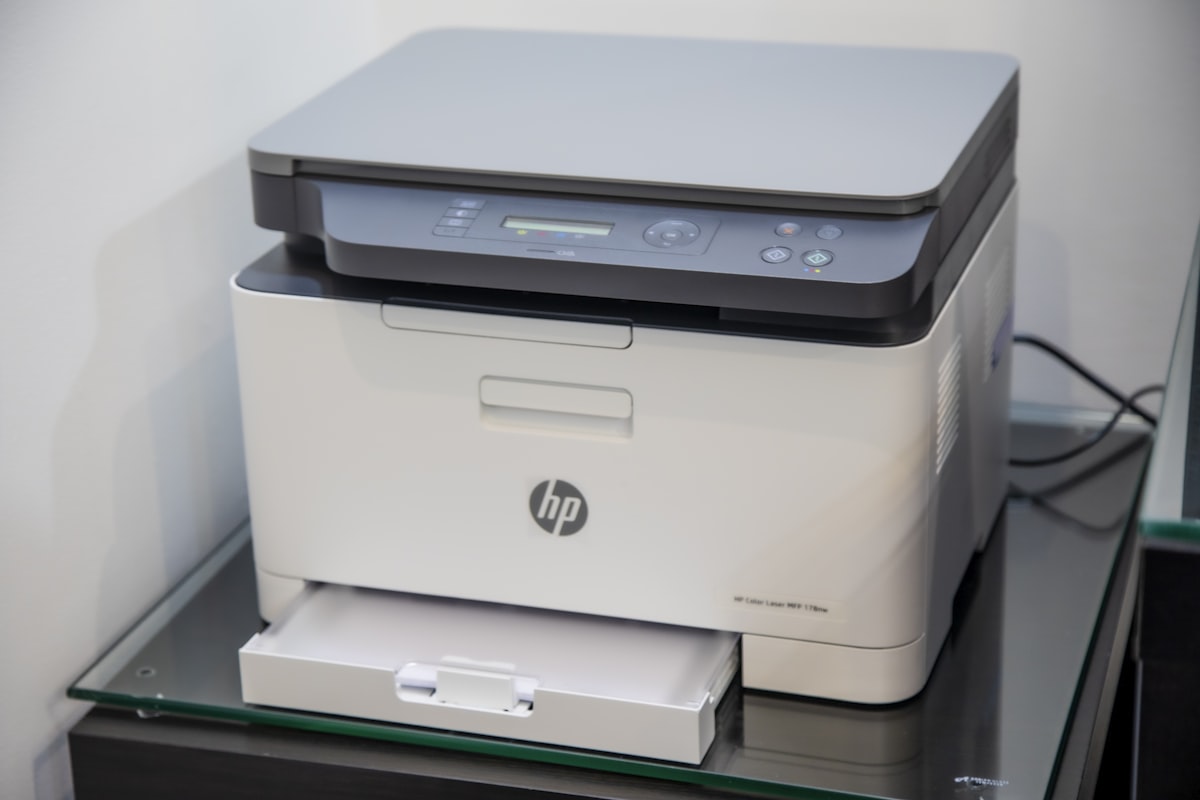
A zero down copier lease lets you take delivery of a brand new machine without paying anything up front. No first month, no last month, no deposit, no setup fee. Just sign the lease, get the copier installed, and the first invoice arrives 30 days later. For new businesses or anyone managing cash carefully, it is a clean way to get equipment without depleting working capital.
Here is how zero down copier leases work, what they really cost, and three things to watch out for before you sign.
What “Zero Down” Actually Means
A zero down copier lease has no upfront cash requirement at signing. No first month’s payment. No last month’s payment as security. No deposit. No installation fee. Nothing.
The leasing company finances 100% of the equipment cost over the full term. The first payment is usually due 30 days after installation.
This is different from a deferred payment lease, where you might not pay for 60 to 180 days. With zero down, payments start at 30 days, but they start at $0 up front.
The Standard Copier Lease Down Payment
For comparison, a standard copier lease usually requires one of these:
First and last month’s payment at signing (typically $400 to $800 total).
A documentation fee of $100 to $400.
A delivery and installation fee of $300 to $700.
Total upfront cost on a non zero down lease: usually $800 to $1,800.
A zero down lease wipes all of that. You keep the cash in your bank account.
Who Qualifies for Zero Down
Zero down is widely available, but not universal. Typical requirements:
Business has been operating for at least 12 months. Decent credit (640 plus personal credit score or solid business credit). Personal guarantee from at least one owner with strong credit.
Some industries get easier approval (dental, medical, law, accounting). New businesses (under 12 months) can sometimes qualify with a strong personal guarantee or a co signer.
If you do not qualify for zero down, you can usually qualify for low down ($300 to $500 at signing) or first and last payment only.
What It Really Costs
Zero down is not always free. The leasing company is taking on more risk by financing 100%, so the money factor is sometimes bumped slightly.
Common cost structures:
Money factor bumped 0.0001 to 0.0002. Real cost over 60 months: $100 to $300 on a $9,000 copier.
Some leasing companies just absorb the cost and offer zero down at no rate bump. This is most common when the dealer is competing for a new account and wants to remove every obstacle.
Always ask for two quotes: zero down version and standard down payment version. Compare total cost over 60 months. Sometimes the standard version saves $200 to $400 in total interest. Sometimes the zero down version is identical. You will not know until you ask.
Three Traps to Watch For
Trap one: “zero down” but service contract minimum is paid in advance. Some leases require you to prepay the first month of clicks (the minimum volume billing) at signing. That is not really zero down. Confirm the lease and the service contract are both zero out of pocket.
Trap two: “zero down” but property tax is collected at signing. Some leasing companies estimate the first year property tax and require it at signing ($80 to $300). Read the closing schedule.
Trap three: “zero down” with a longer term. A 72 month zero down lease can have a lower monthly payment than a 60 month standard lease, but it has 12 more months of interest. Lock the term to what you actually want before evaluating zero down.
When Zero Down Makes Sense
You are starting a business and want to keep working capital. Zero down on a $200 a month copier lease means $1,000 in cash stays in your bank account on day one. That is real money.
You are buying multiple machines at once. Zero down on three copiers can preserve $3,000 to $5,000 in cash for other startup expenses.
You are managing seasonal cash flow. Zero down lets you align your first payment with your busy season instead of paying upfront during your slow season.
When Zero Down Is Less Important
You have plenty of cash and the up front payment is a rounding error. Take the lower money factor instead and save money over the full term.
You are buying a $4,000 copier where the standard up front is only $400. The savings from zero down are small.
You might pay off the lease early. Zero down leases sometimes have higher early termination penalties because the leasing company has less collateral from your initial payment.
How to Get a Real Zero Down Offer
Ask all three dealers in your bid process: “Can you quote this lease as zero down with no upfront costs?”
Then ask the same question in different words: “Does zero down include waiver of first month, last month, security deposit, documentation fee, delivery fee, and installation fee?”
Some dealers will claim “zero down” but still charge a $200 documentation fee. Pin them down. Real zero down means zero out of your pocket at signing.
What Most Guides Miss
Most zero down articles focus on the cash flow benefit. The bigger advantage is psychological. When dealers offer zero down, they are usually competing hard for the account. That means they are also more flexible on other terms.
Use zero down as a leverage point. If a dealer agrees to zero down, push the next ask: “And you can lock the click rate flat for the first three years, right?” Or: “And you can waive the auto renewal clause, right?” Dealers who said yes to zero down are in win the deal mode. They will often agree to more concessions than usual.
One more underused move: ask for zero down on the lease and a credit toward the first month’s clicks. So your service contract starts at $0 too. Some dealers will agree if the deal size is right. That can save another $50 to $200 in real cash during your ramp.
For the broader pricing picture, see the copier lease pricing guide. To weigh zero down lease against an outright purchase, see copier lease vs. buy.
Ready to Compare Copier Lease Quotes?
Ready to compare copier lease quotes from verified dealers in your area? CopierFinder connects you with pre-vetted local providers so you can compare real pricing, not ballpark estimates. No obligation. No sales pressure. Just honest numbers so you can make the right call for your business.