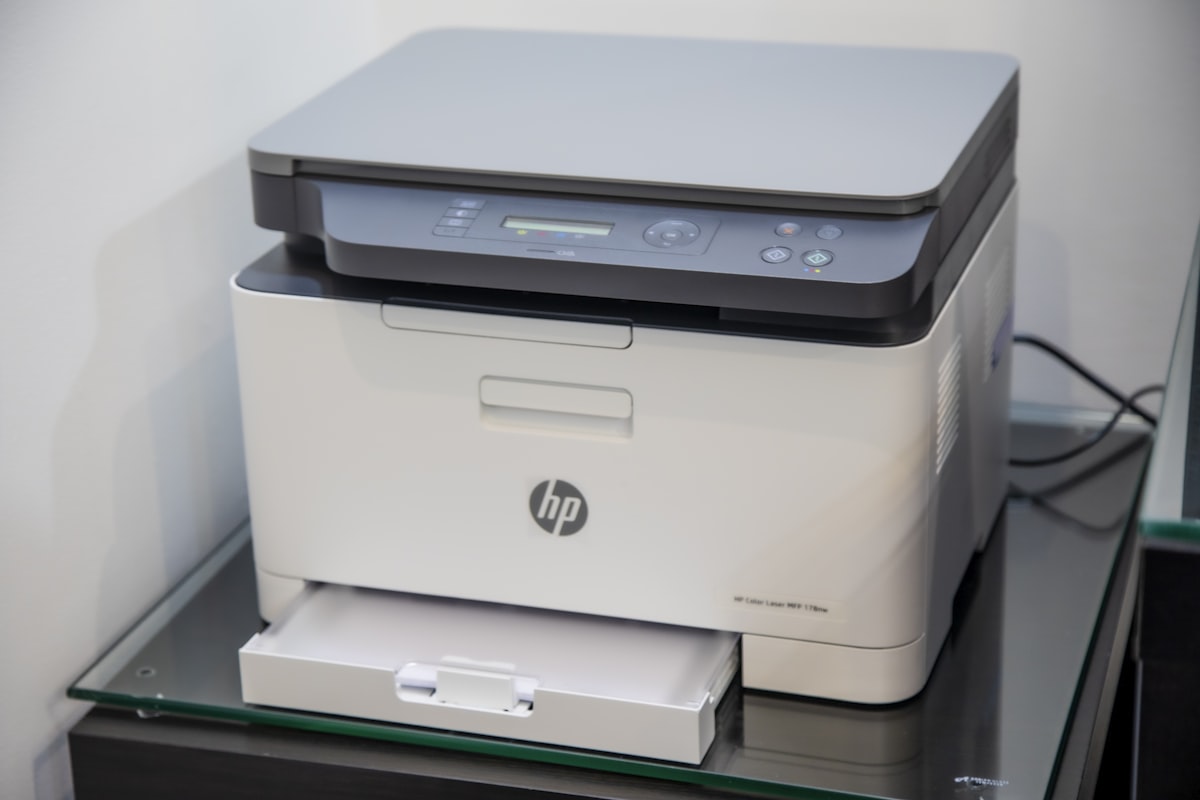
State agencies and local governments can not just call a vendor and pick a copier. Every dollar has to fit inside the approved budget line, and the lease itself has to clear a procurement review. A budget approved state copier lease is not just a contract. It is a paper trail that lets your office get the machine you need without setting off a flag during the next audit.
What Budget Approved Really Means
When the state finance office signs off on a copier lease, three things have to line up. The dollar amount fits inside the approved operating budget for the current fiscal year. The vendor is on a pre approved state contract or cooperative. And the lease structure follows state procurement rules, usually meaning a true fair market value lease or a $1 buyout lease, depending on the state.
Get one of those three wrong and the lease can be voided, kicked back for re bid, or flagged in the next audit cycle. The dealer signing your contract should know this. Many do not. That is why you should verify the contract reference number on every quote before signing.
How to Use State Contracts to Skip the RFP
Most states maintain master copier contracts through their general services or procurement division. In California it is the CalSavers and DGS Office Equipment Master Agreement. In Texas it is the DIR cooperative. In New York it is OGS Centralized Contract. These contracts already went through full bid review. Your agency can buy off them without running a fresh RFP, which saves 60 to 120 days.
To use a state contract you need three things. The contract number on every quote. The vendor's authorized reseller status. And a purchase order or lease document that references the master agreement language. Most dealers handle the paperwork once you ask for it.
Real Pricing on State Approved Leases
State contract pricing usually beats commercial rates by 8 to 22 percent. A midrange color multifunction that runs $285 per month on a private 60 month lease often comes in at $215 to $245 per month on a state contract. Black and white workgroup units land in the $89 to $145 range. Production color machines run $475 to $785 per month.
Maintenance is usually bundled. Black click charges sit at $0.007 to $0.009 and color at $0.055 to $0.075. Toner, parts, and labor are included. Most state contracts cap the annual price increase at 3 to 5 percent.
What Most Guides Miss
Here is the part nobody talks about. State contract pricing is not automatic. Even if the dealer is on the contract, they can still quote you commercial rates if you do not ask for contract pricing in writing. Always send your RFQ with the state contract number listed. Always ask for the contract pricing schedule to be attached to your quote.
Second, most state contracts give you the right to add finishers, software, and supplies at contract pricing too, not just the base unit. Many agencies pay retail on these add ons because they did not ask. Document feeders, hole punchers, and large capacity trays under contract pricing can save you $400 to $1,200 over the lease term.
Budget Cycles and Lease Start Dates
Time your lease start to your fiscal year. Most states run July 1 to June 30. A few run October 1 to September 30. Starting a 60 month lease three months before the new budget cycle creates accounting headaches and can split the lease across two budget approvals.
If you absolutely have to start mid cycle, push the dealer for a deferred first payment. Most will agree to push payment one to three months out to align with your next budget cycle. Get this in writing on the lease addendum, not in an email.
What to Include in Your Budget Request
When you draft the budget line for the new copier lease, include five items. Monthly lease payment times 12. Estimated click charges based on prior year volume. Property tax pass through if applicable in your state. Delivery, install, and network setup fees. End of lease return shipping or buyout reserve.
Skipping the end of lease line is the most common mistake. When the lease ends in five years, you owe either the return shipping or the buyout. Neither is free. Budgeting for it now prevents a fire drill later.
Lease Types That Clear Procurement
Most state procurement offices accept three lease structures. Operating leases, fair market value leases, and capital leases with a $1 buyout. Operating and FMV leases are treated as expenses and are easier to budget. Capital leases hit the balance sheet and may need separate capital improvement approval.
If your agency has strict capital spending limits, push for an operating lease structure. If your finance office prefers asset ownership, go with the capital lease and $1 buyout. Either way, confirm the structure matches your state's procurement guidance before signing.
End of Term Options Under State Contracts
At the end of a state contract lease you usually have four options. Return the unit at no cost. Buy it for fair market value. Renew month to month at the same rate. Or sign a new contract on a refreshed model. Most state contracts give you 90 days notice on which option you pick. Miss the notice window and the lease often auto renews for 12 more months at the same rate, which is rarely what you want.
Set a calendar reminder 120 days before lease end. Get quotes for new units. Decide your path before the auto renewal clock starts.
Where to Verify State Contract Coverage
Every state lists its current copier contracts on the procurement division website. Pull the active contract PDF. Confirm the vendor is listed as authorized. Check the pricing schedule. The whole process takes about 20 minutes and protects you from signing an off contract lease by mistake.
For more on government lease structures, see our guide on copier lease vs. buy in 2026. If you want to see what specific units fit a state budget, check the best commercial copiers for small business in 2026.
Related Guides
Ready to Compare Copier Lease Quotes?
Ready to compare copier lease quotes from verified dealers in your area? CopierFinder connects you with pre-vetted local providers so you can compare real pricing, not ballpark estimates. No obligation. No sales pressure. Just honest numbers so you can make the right call for your business.