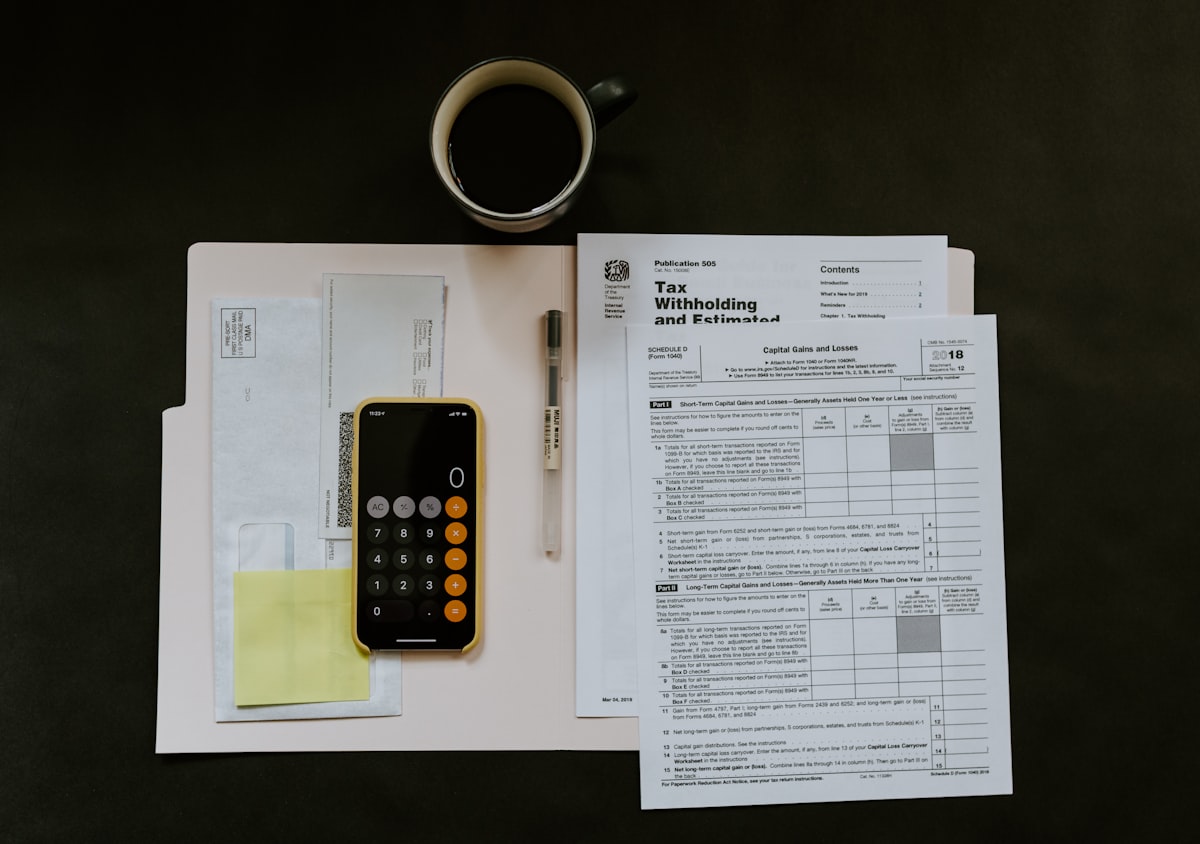
You signed a lease at $289 a month. Your first invoice was $412. The second was $289. The third was $356. Nothing is wrong with the machine, nobody made a mistake, and you still have no idea what you are actually going to pay in a given month.
This is normal, and it is entirely down to how copier lease billing cycles are structured. There are usually two separate billing streams running on different clocks, plus a partial period at the start. Once you see the structure, the invoices stop being confusing.
The Two Streams: Base Rent and Usage
Almost every copier lease splits into:
Base rent. The fixed equipment payment. Same amount every period for the whole term, unless your contract has an annual escalation clause. This is paid to the finance company, which is often a different entity from the dealer who sold you the machine. Typical range is $69 to $850 a month depending on speed, color capability, and finishing options.
Usage, or click charges. Variable, based on meter counts. Black and white typically runs 0.6 to 1.5 cents per page, color 4 to 9 cents. This is paid to the dealer under the service agreement.
Some deals bundle both into a single "all inclusive" payment with an included page allowance and overage above it. Those look simpler on paper but you still get an overage line when you exceed the allowance.
Billing Frequency and Why They Do Not Line Up
Here is the part that causes the confusion. The two streams usually bill on different frequencies:
- Base rent: monthly, in advance. You pay for the coming month at its start.
- Usage: monthly or quarterly, in arrears. You pay for pages already printed, after a meter read.
Quarterly usage billing is very common on smaller accounts because it cuts the dealer's invoicing overhead. It means one month in three is noticeably larger. If you run 8,000 black and white and 1,200 color pages a month, a quarterly click invoice at 1 cent and 6 cents lands at roughly $456. That is a real number to plan for, not an error.
Usage billing also lags. A quarterly invoice issued in April usually covers January through March meters, and the read may have been taken on the 20th of the month rather than the 31st. So the period on the invoice rarely matches a clean calendar quarter.
The First Invoice, and Why It Is Bigger
Your first bill is almost always the odd one. It can include:
- An advance payment. Many approvals require first and last month up front, or first plus a security deposit. That is $578 on a $289 lease before anything else.
- A documentation fee. $75 to $250, charged once by the finance company at funding.
- A stub or interim period. Billing starts at delivery and acceptance, not on the first of the month. A machine accepted on the 22nd generates a nine day partial charge plus the first full month.
- Sales or property tax. Passed through, varies by state, often not shown on the sales quote.
None of that is hidden exactly, but it rarely appears on the quote you compared against other dealers. Ask for the total first payment amount in writing before you sign. Our walkthrough of what is on a copier lease invoice breaks each line down.
Escalation Clauses and Mid Term Increases
Two things can raise your bill during the term even though "the payment is fixed."
Base rent escalation. Some finance leases include a clause allowing an annual increase, often capped at a stated percentage. Read the lease, not the quote.
Service rate escalation. Much more common. Most maintenance agreements allow the dealer to raise the per page rate once a year, typically by 5 to 10 percent. On 9,200 pages a month, a 7 percent bump on a blended 1.7 cent rate is about $131 a year. Not dramatic on its own, compounding over 60 months it adds up.
Both are negotiable before signing and effectively fixed afterward. Ask for a cap in writing, 3 to 5 percent is a reasonable ask on service.
Getting Your Meters Right
Usage billing is only as accurate as the meter read. If the dealer estimates instead of reading, you get charged on a guess, and estimates tend to run high. Most current machines report meters automatically through the vendor's monitoring agent, which is the cleanest path. If yours does not, submit readings yourself before the billing date rather than letting an estimate stand.
Check the color meter specifically. Machines count a page with any color content as a full color click, so one letterhead logo on an otherwise black and white 40 page report can bill 40 color clicks. That single issue produces more billing disputes than anything else in this industry. Our notes on copier lease meter reading disputes cover how to challenge one.
What Most Guides Miss
The billing cycle is where the two contract structure quietly hurts you, and it has nothing to do with the amounts.
Your equipment lease is with a finance company. Your service and supplies agreement is with the dealer. They arrive as separate invoices from separate entities on different schedules. That structure is fine while everything works. It becomes a problem the moment you have a service complaint.
People assume they can withhold payment to get attention. You cannot, at least not on the finance side. The equipment lease is non cancellable and contains a hell or high water clause, meaning you owe the finance company regardless of whether the machine works, whether the dealer answers the phone, or whether the dealer goes out of business. Withholding there does not pressure the dealer at all. It just puts you in default with a company that had nothing to do with your problem, and it lands on your business credit. See what happens when a copier lease payment is late.
The leverage you do have sits on the service invoice, which is with the dealer, and even there disputing a specific line is far more effective than not paying at all. Put it in writing, cite the meter or the service ticket, pay the undisputed portion, and keep the finance payment current no matter what.
The practical habit: set up autopay for the base rent so it is never late, and review the service invoice manually every cycle. Automate the one you cannot negotiate, and keep human eyes on the one you can.
Ready to Compare Copier Lease Quotes?
Ready to compare copier lease quotes from verified dealers in your area? CopierFinder connects you with pre-vetted local providers so you can compare real pricing, not ballpark estimates. No obligation. No sales pressure. Just honest numbers so you can make the right call for your business.