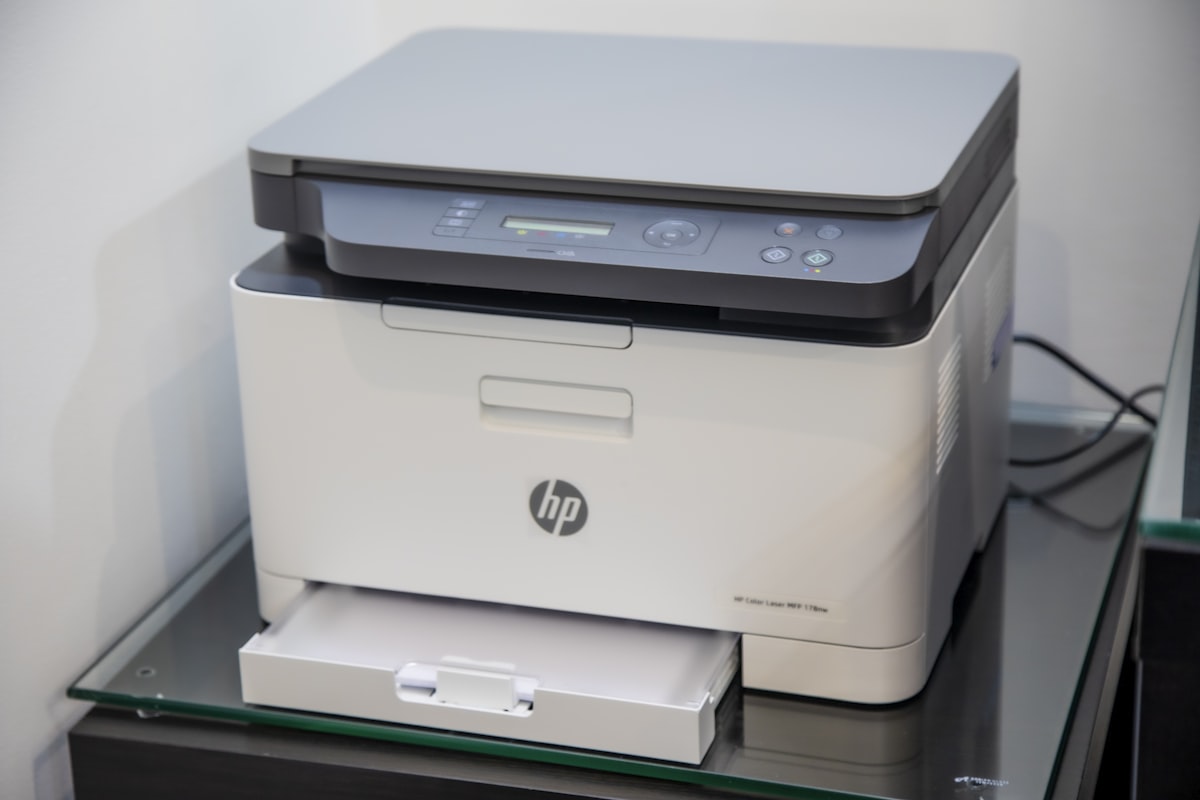
The phrase “normal wear and tear” appears in nearly every copier lease, and it is one of the least defined and most disputed terms in the industry. The leasing company decides what counts as normal, and what crosses the line into damage. The result is consistent surprise charges at lease end.
Here is what normal wear and tear actually includes for office copiers, what gets charged as damage, and the specific evidence that supports your position when the line is unclear.
The Industry’s Working Definition
Most lease contracts include language like: “Lessee shall return equipment in good working order, ordinary wear and tear excepted.” The phrase “ordinary wear and tear” is rarely defined further. Industry practice provides the working definition, and it varies by leasing company.
Generally accepted normal wear and tear:
Light surface scratches from cleaning, paper handling, or moving
Minor scuffs on edges and bottom from positioning
Faded button labels and worn touchscreen surfaces
Yellowing on plastic from age or sun exposure
Wear marks on rollers consistent with the page count
Toner residue inside the machine
Light staining around paper trays from heavy use
Wear on rubber feet or pads
Generally NOT considered normal wear and tear:
Visible scratches over 2 inches long
Dents in plastic panels
Cracks or holes in housing
Liquid stains or chemical damage
Missing accessories or parts
Excessive paper dust accumulation
Damage to the document feeder or finisher
Modifications or repainting
The 5,000 Page Rule of Thumb
One useful rule for evaluating wear: If a machine is rated for X pages of life and your usage is well within that rating, the wear should be considered normal. Most office copiers are rated for 500,000 to 5 million pages over their useful life.
If you returned a machine after 250,000 pages and the leasing company is charging for “excessive wear,” the math does not support the charge. The machine is at 5% to 50% of expected life depending on its rating.
Useful documentation: Pull the manufacturer’s specification sheet for your model. Note the rated lifetime page count. Include this in any wear-and-tear dispute.
Specific Wear Items and How They Are Treated
Toner Residue
Some toner residue inside the machine is unavoidable. Most reputable refurbishers clean this in 20 to 30 minutes. Charges over $75 for cleaning are usually inflated.
What to expect: Light dusting and toner residue should not trigger any charge. Heavy toner build-up that affects functionality might.
Roller Wear
Paper handling rollers wear with use. They are designed as consumable parts. Most service contracts replace them as part of preventive maintenance.
What to expect: Wear consistent with page count is normal. If your service contract included roller replacement and the dealer never performed it, that is the dealer’s failure, not your damage.
Worn Buttons and Touchscreens
Daily use wears button labels and screen surfaces. This is universal and unavoidable.
What to expect: No charges should be assessed for this.
Scratches on Visible Surfaces
Light scratches from cleaning are normal. Major scratches from impact are not.
What to expect: Scratches under 1 inch long, light depth, and not affecting machine appearance from 6 feet away should be normal wear. Anything more visible may be assessed as damage.
Plastic Discoloration
Older plastic yellows over time, especially in machines with consistent UV exposure (near windows). This is unavoidable on machines over 3 years old.
What to expect: No charge for natural discoloration. The leasing company knows the machine ages.
How to Document Wear vs. Damage
Before lease end:
Photograph every visible surface of the machine
Document each scratch, scuff, or mark with a close-up shot
Note the location and approximate dimensions
Include a date stamp on every photo
Save photos in cloud storage with descriptive file names
Save the photos for at least 24 months after lease end. State consumer protection deadlines for disputing charges typically run 12 months. Federal claims may extend longer.
What Most Guides Miss: The Manufacturer’s Standard
Manufacturers publish guidelines for what their equipment should look like at end of useful life. These are usually included in dealer training materials and service technician documentation. They are rarely shared with end customers.
The fix: Request the manufacturer’s wear and tear standards in writing during lease negotiation. The dealer should have access to this through the manufacturer’s dealer portal. If the dealer cannot or will not provide them, ask why.
Having the manufacturer’s standard in writing gives you an authoritative source if disputes arise. The leasing company may use looser standards, but the manufacturer’s standard establishes the baseline you can argue from.
Disputing Excessive Wear Charges
Step 1: Request the Specific Standard Used
Email the leasing company:
“Please send me the wear and tear standards used to assess the charges on invoice [number]. I want to compare against the manufacturer’s published wear and tear guidelines for this equipment model.”
Step 2: Compare Against Your Photos
Pull your end-of-lease photos. Identify which of the alleged damages were already present at the start of the lease, which are within manufacturer standards, and which (if any) are genuinely chargeable.
Step 3: Provide the Counter-Documentation
Send written dispute with:
Your start-of-lease photos showing pre-existing condition
Your end-of-lease photos showing actual condition
Manufacturer’s wear and tear standards (if obtainable)
Specific objection to each charge with supporting evidence
Step 4: Negotiate or Escalate
Most leasing companies will reduce or remove charges when faced with detailed counter-documentation. If they refuse, escalate to state AG complaints, BBB filings, and (for larger amounts) legal action.
When the Charge Is Legitimate
Sometimes the charge is reasonable and worth paying:
If you returned a machine with a legitimate dent from being knocked over
If accessories really are missing
If the machine was abused (liquid spills, modifications)
If wear genuinely exceeds expected usage
In these cases, paying the charge promptly preserves your relationship with the dealer and avoids further fees. The dispute process is for charges that exceed reasonable assessment, not for legitimate damage.
Negotiating Wear and Tear Standards Upfront
The strongest protection is to negotiate before signing. Specific contract additions to request:
Define normal wear and tear with specific examples
Cap total wear and tear charges at a stated dollar amount
Require manufacturer’s wear standards as the baseline
Provide for joint inspection at lease end with both parties’ photos
Allow 14 days for lessee dispute before charges become final
For more on lease return costs, see our guides on copier lease return process and copier lease restocking fees.
Ready to Compare Copier Lease Quotes?
Ready to compare copier lease quotes from verified dealers in your area? CopierFinder connects you with pre-vetted local providers so you can compare real pricing, not ballpark estimates. No obligation. No sales pressure. Just honest numbers so you can make the right call for your business.