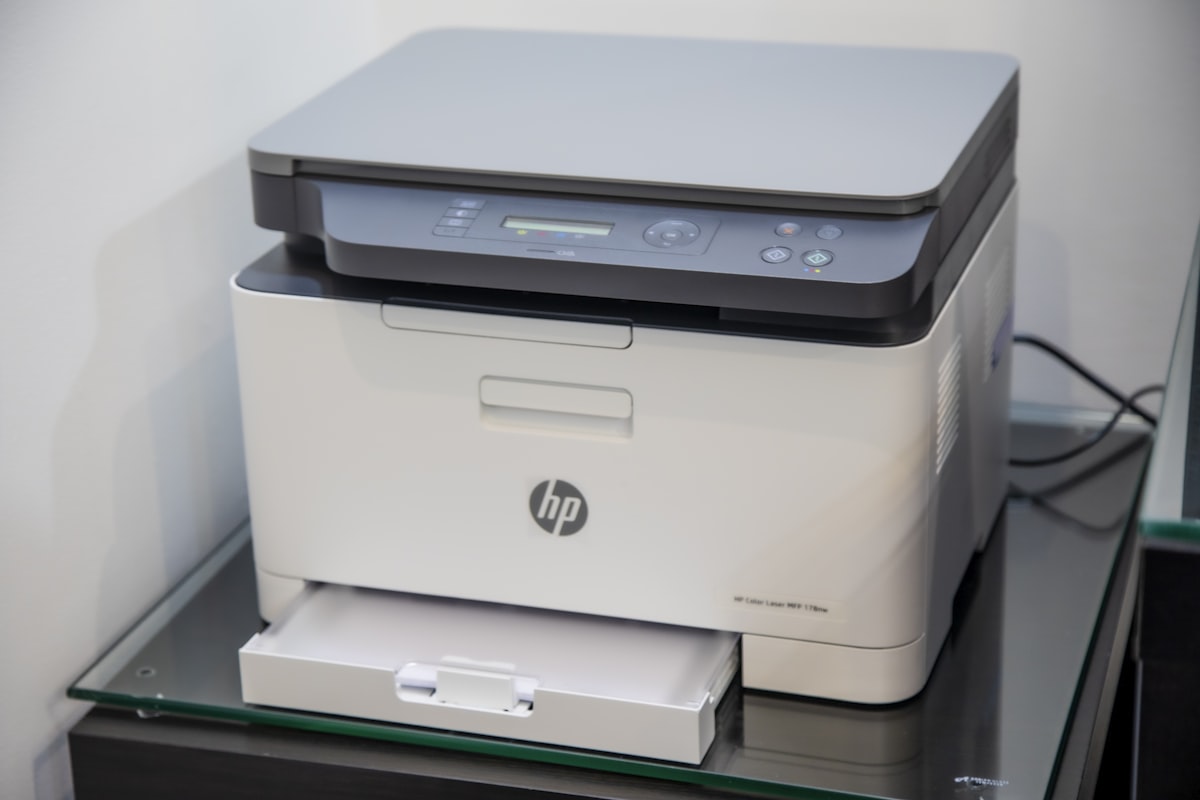
You returned your leased copier when the term ended, did everything by the book, and then received a $1,200 bill for a “restocking fee.” Nobody mentioned this charge when you signed the lease. Nobody mentioned it when you arranged the return. It just appeared on your final statement.
Copier lease restocking fees typically range from $500 to $2,000 and are charged by the leasing company when you return equipment at the end of your term. They are one of the most common end-of-lease surprises, and one of the most negotiable.
What a Restocking Fee Actually Covers
Leasing companies justify restocking fees as covering the cost of receiving, inspecting, refurbishing, and reselling or re-leasing the returned equipment. In practice, the fee is a profit center. The actual cost of processing a returned copier is a fraction of what most leasing companies charge.
The fee amount varies by leasing company and equipment type. Desktop copiers might incur a $200 to $500 fee. Mid-range floor-standing copiers typically trigger $500 to $1,200. High-volume production equipment can see restocking fees of $1,500 to $2,500.
When Restocking Fees Apply
End of lease return: The most common trigger. You complete your lease term, return the copier, and the leasing company applies the restocking fee to your final billing statement.
Early termination return: If you terminate your lease early, the restocking fee is typically added on top of your early termination penalty. This can make an already expensive exit even more costly.
Equipment swap during upgrade: Some leasing companies charge a restocking fee even when you are upgrading to a new lease with the same company. The old equipment still needs to be processed, and the fee still applies unless negotiated out.
How to Avoid Restocking Fees
Negotiate them out before signing. The most effective strategy is preventing the fee from being in your contract in the first place. Before signing any copier lease, ask the dealer specifically: “Is there a restocking or processing fee when I return the equipment?” If the answer is yes, request that the fee be waived or capped at a specific dollar amount in writing.
Choose a $1 buyout lease. If you select a $1 buyout lease structure, you own the equipment at the end of the term for one dollar. No return means no restocking fee. You can then sell, donate, or dispose of the copier on your own terms.
Bundle the fee into your upgrade. If you are upgrading to new equipment with the same dealer, use the restocking fee as a negotiation point. Tell the dealer you expect them to waive the restocking fee as part of the new lease agreement. Most dealers will agree because the new lease revenue far exceeds the restocking fee.
Document equipment condition. Some leasing companies inflate restocking fees by adding “damage repair” costs. Photograph your copier before pickup, including the control panel, glass, paper trays, and exterior. Keep these photos as evidence in case the leasing company claims damage beyond normal wear.
How to Dispute a Restocking Fee You Were Not Told About
If a restocking fee appears on your final statement and was never disclosed during the sales process or lease signing, you have grounds for dispute.
First, review your lease agreement. If the restocking fee is explicitly mentioned, your dispute is harder (but not impossible, especially if the sales rep verbally promised no fees). If the fee is not in the agreement, you have strong grounds for removal.
Send a written dispute to the leasing company citing the lease agreement and the absence of any restocking fee provision. Copy your dealer on the letter. Request removal of the charge within 30 days.
What Most Guides Miss: The Timing Hack for Fee Reduction
Leasing companies process equipment returns in batches. At the end of each quarter, their processing facilities are busiest and their restocking fee revenue is highest. If you time your equipment return for the first two weeks of a new quarter (January, April, July, or October), processing capacity is more available and leasing companies are more willing to negotiate reduced restocking fees because their quarterly targets have already been set. This small timing adjustment can save $300 to $800 on a standard restocking charge. For a full list of end-of-lease costs to prepare for, read our copier lease hidden fees guide, and understand how your lease term affects these charges in our guide to copier lease terms.
State Laws That May Protect You
Several states have enacted or are considering legislation that requires leasing companies to disclose all end-of-lease fees, including restocking charges, at the time of contract signing. If the fee was not disclosed in your original lease agreement and your state requires disclosure, the charge may not be enforceable.
Check with your state’s Attorney General office or a local business attorney to determine whether your state has relevant disclosure requirements. Even in states without specific legislation, undisclosed fees can sometimes be challenged under general consumer protection statutes.
Related Guides
- Copier Lease Meter Reading Disputes: How to Win When the Numbers Don’t Match
- Copier Lease Normal Wear and Tear: What’s Acceptable and What Gets You Charged
- What Counts as Damage on a Returned Copier: A Practical Definition With Real Examples
- Copier Lease Calculator: How to Estimate Your Real Monthly Cost
- Copier Lease on Balance Sheet or Off? How to Know Which Applies to You
Ready to Compare Copier Lease Quotes?
Ready to compare copier lease quotes from verified dealers in your area? CopierFinder connects you with pre-vetted local providers so you can compare real pricing, not ballpark estimates. No obligation. No sales pressure. Just honest numbers so you can make the right call for your business.